
Understanding Hurricane Screens for Lanais

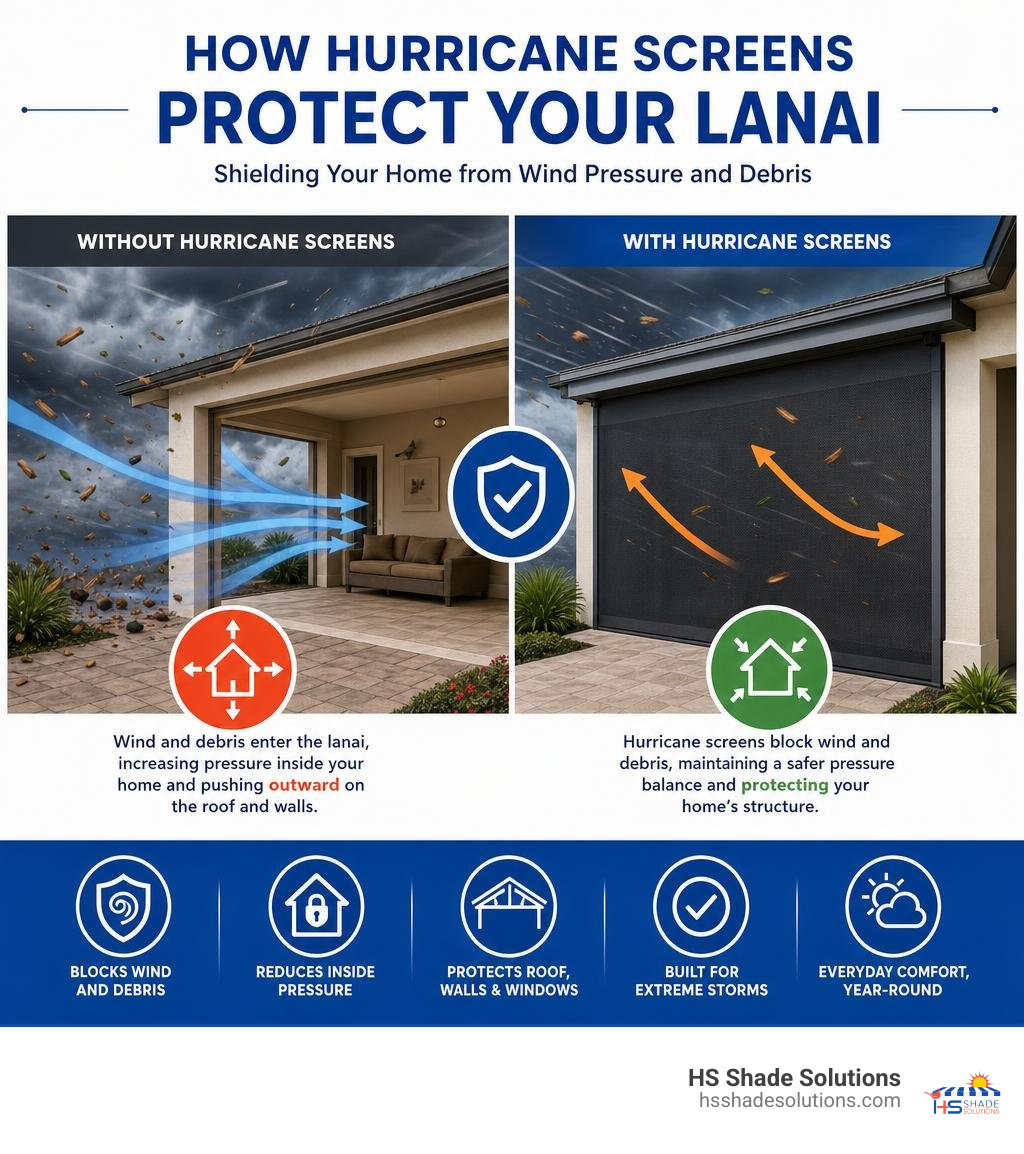
Hurricane screens for lanai spaces are high-strength, fabric-based protective barriers that roll down over open lanai areas to help shield your home from wind, wind-driven rain, and flying debris during a storm while also providing everyday benefits like shade, privacy, and insect control.
Here’s what you need to know at a glance:
- They are permanently mounted to the home and can deploy quickly, often with the push of a button
- Professionally installed systems are designed to meet applicable Florida product approval and building requirements where required
- They help protect large lanai openings and the outdoor living areas behind them
- They can be used year-round for UV protection, bug control, and privacy, not just during hurricane season
- They may provide a more practical alternative for homeowners who want storm protection while maintaining outdoor usability
- Expert installation helps ensure the system is properly fitted, securely mounted, and installed in accordance with applicable building requirements where necessary
Your Lanai Is One of Florida’s Biggest Storm Vulnerabilities
Your lanai is one of the things that makes Florida living worth it. Morning coffee outside. Evening meals with a breeze. Space to actually use your home.
But during a hurricane or even a fast-moving summer storm, that same open space becomes one of your home’s biggest weak points. A standard screen enclosure offers almost no real storm protection. When the screen panels fail, the aluminum framing can become airborne debris. And once strong winds reach the doors and windows behind the lanai, the risk of damage can increase significantly.
Many homeowners begin researching hurricane protection for patio areas before storm season because large outdoor openings are often among the home’s most vulnerable areas.
That’s the problem hurricane screens for lanai spaces and other hurricane lanai screens are designed to solve. They help protect large lanai openings by creating a barrier between severe weather and the doors, windows, and living spaces behind them. And unlike traditional metal shutters or plywood, they do it without making your space feel like a bunker.
For homeowners on Florida’s Space Coast, including Brevard County, Indian River County, and surrounding coastal communities, that combination of storm preparedness and everyday usability is exactly what makes these systems worth considering.
Why Homeowners Choose Hurricane Screens for Lanai Spaces
For many years, the standard approach to storm prep on the Space Coast was a scramble of metal panels, heavy plywood, or bulky accordions. While those methods work for traditional windows, they present a massive headache when it comes to the wide, open spans of a modern back patio.
When you install high-quality hurricane screens on your lanai, you are choosing a system designed to support storm readiness while preserving the beauty and comfort of your outdoor living space.
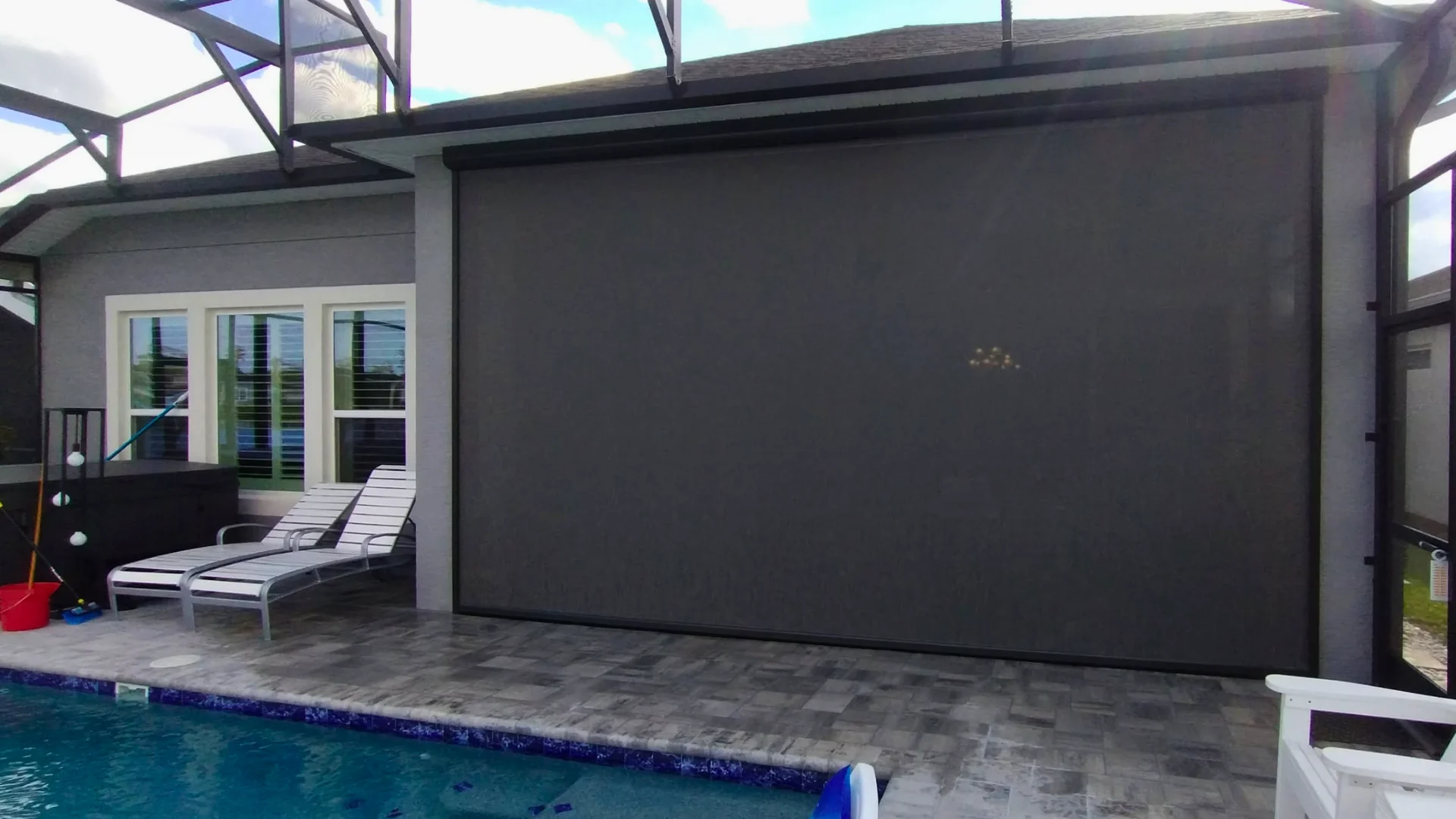
Unlike heavy metal shutters that block out every ounce of natural light, these advanced fabric systems are see-through. This means you do not have to sit in pitch-black darkness when a storm is rolling through Palm Bay or Viera. You can keep a sense of connection to the outdoors while your lanai opening is covered.
Furthermore, these systems offer a level of daily utility that traditional shutters simply cannot match. On any given afternoon in Cocoa Beach or Indialantic, you might deal with blinding sun glare, sudden downpours, or a swarm of mosquitoes trying to carry away your dinner. With a retractable screen system, you can lower the barrier to block harsh sun, help keep rain out, and make the space more comfortable, all while maintaining the outdoor feel that makes your lanai valuable.
How Hurricane Screens Differ from Standard Patio Screens
It is a common misconception that a standard insect screen provides some level of wind protection. In reality, standard screens are designed only to keep pests out; they will tear or blow out of their tracks under even minor storm forces.
The table below breaks down the key differences between standard screens, motorized shade screens, and true hurricane-rated screens:
| Feature | Standard Insect Screens | Motorized Shade Screens | Hurricane Screens for Lanais |
|---|---|---|---|
| Primary Purpose | Pest control | Sun control & privacy | Storm protection & daily comfort |
| Impact Resistance | None (easily torn by debris) | Minimal (not intended for storm impacts) | Designed for hurricane protection when using approved systems |
| Wind Resistance | Low (fails in minor storms) | Moderate (must be retracted in high winds) | Designed for severe weather conditions |
| Visibility | High | Medium to High | High (excellent outward visibility) |
| Daily Usability | Fixed year-round | Retractable for sun/shade control | Retractable for sun, bug, and storm control |
| Track Design | Standard spline | Standard tracks | Reinforced track systems designed for storm protection |
Many homeowners comparing hurricane patio screens discover they provide everyday comfort in addition to storm preparedness. Homeowners comparing hurricane screens for patio areas and lanais should evaluate how they plan to use the space throughout the year, not just what they need during hurricane season.
Standard pool cages and screen enclosures are notoriously vulnerable, often failing in minor to moderate storms. When they collapse, the aluminum framing can turn into dangerous projectiles that threaten your home’s glass doors and windows. Upgrading to an approved screen system can help protect the large openings that make lanais, patios, and outdoor living areas so exposed.
Durable Materials for Florida Weather
Hurricane screens are built with durable materials designed for Florida’s demanding weather conditions. Unlike standard patio screens, these systems are intended to provide additional protection during severe weather while also standing up to daily exposure to sun, humidity, and salt air.
For homeowners living in coastal areas like Melbourne Beach, Satellite Beach, or Merritt Island, the right screen system should support both storm preparedness and everyday comfort. That means helping reduce glare, improving privacy, keeping bugs out, and making the lanai more usable during the hot, humid months when outdoor spaces can otherwise feel uncomfortable.
The best choice depends on your home’s exposure, the size of the opening, how often you use the lanai, and whether you want manual or motorized operation. The fabrics used in our hurricane screens guide are selected with Florida conditions in mind, giving homeowners a practical way to improve comfort while preparing for seasonal storms.
Code Compliance and Insurance Savings on the Space Coast
When comparing hurricane screens, homeowners should verify that the products being installed are appropriate for Florida requirements and professionally installed where applicable. A qualified contractor can explain which approvals or documentation apply to your project.
This matters because Florida homeowners are not just buying shade or privacy. They are investing in a storm-season preparation system that may need to meet local permitting, product approval, or documentation requirements depending on the home and project. Working with an experienced local contractor helps you understand what applies before installation begins.
Beyond peace of mind, approved storm protection may also have a financial benefit. Depending on your home and insurance carrier, approved storm protection may qualify for available wind mitigation credits.
For homeowners with large sliding glass doors or exposed patio openings behind a lanai, hurricane protection for patio areas can be part of a broader conversation about protecting the home. HS Shade Solutions can help homeowners evaluate the right shade solutions option and provide the documentation available for the installed system.
Selecting, Motorizing, and Installing Your Screen System
Every lanai presents different protection needs. Some feature simple single-span openings, while others include large corners, multiple openings, columns, or expansive outdoor living areas that require a more customized approach.
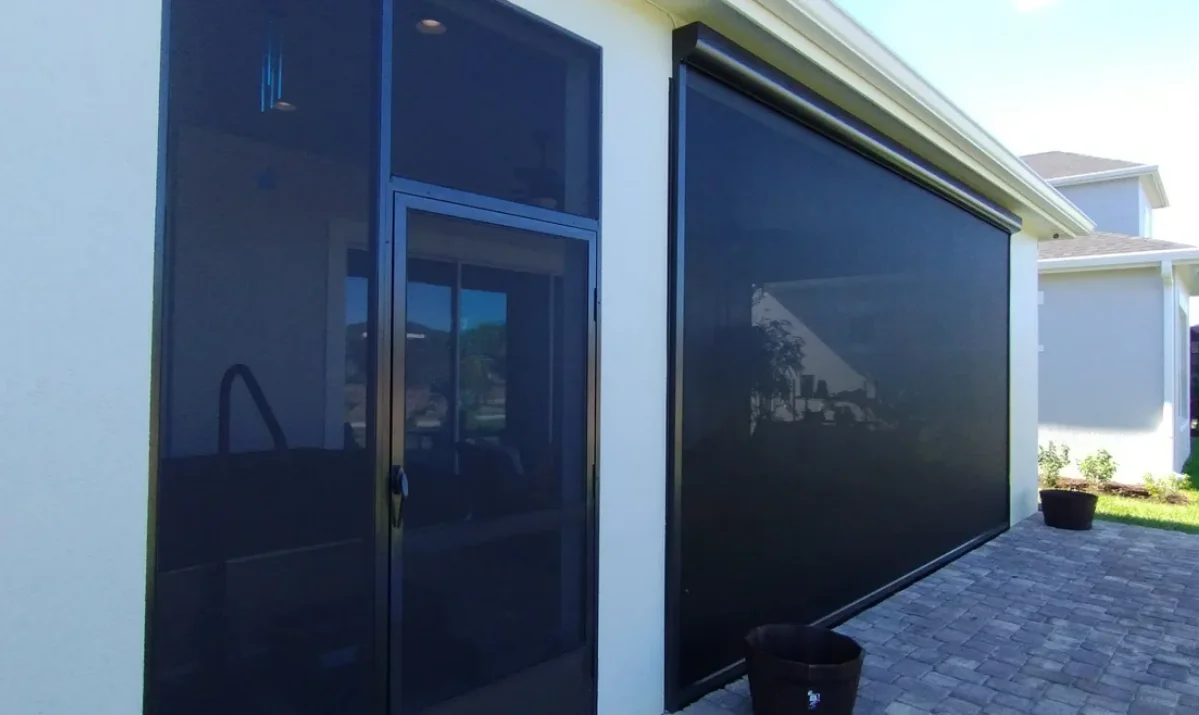
When you work with a professional contractor like HS Shade Solutions, the process begins with a careful review of your lanai, patio, or outdoor living area. We evaluate the home’s layout and determine the most appropriate screen configuration for your goals, whether that means storm preparedness, shade, privacy, insect control, or all of the above.
A well-designed system should provide practical protection with minimal visual impact while complementing the appearance of your home.
One of the first questions many homeowners ask is about hurricane screens for lanai cost. While every project is different, pricing typically depends on the size of the opening, whether the system is motorized, and the complexity of the installation.
Motorized vs. Manual Operation
One of the most important decisions you will make is choosing how your screens will operate. While manual systems utilizing a hand crank are available and budget-friendly, motorized systems offer added convenience when you want to secure or open the space quickly.
Motorized operation makes it easier to deploy or retract the screens whenever conditions change. That convenience encourages homeowners to use the system regularly — not only before storms, but also for shade, privacy, and insect control throughout the year.
Of course, a common concern among Florida homeowners is: What happens if the power goes out right before a storm?
A qualified installer can explain available backup or manual-operation options for the system being installed. That way, you understand how your screens can be used during normal conditions and what to expect when storm season arrives.
For more details on choosing the right configuration, take a look at our comprehensive hurricane screens guide.
Why Professional Guidance Matters
Installing a screen system for a large lanai opening is not a weekend DIY project. The right contractor helps you choose a product suited to your home, measures the space accurately, installs the system securely, and explains any local permitting requirements that may apply.
Professional guidance is especially important for homeowners comparing hurricane screens for patio areas, lanais, and other large outdoor openings. These projects affect both storm-season readiness and everyday comfort, so the final system should fit the way you actually live.
When evaluating your options, focus on practical service factors such as:
- Proper Product Selection: Choosing a screen system that fits your lanai, patio, home layout, and storm-preparation goals.
- Professional Measurement: Making sure the system is custom-fit for large openings, corners, columns, and uneven surfaces.
- Secure Installation: Having the screens installed by a qualified team so they operate properly and look finished.
- Local Permitting When Required: Understanding what documentation or approvals may apply in coastal communities like Indian Harbour Beach, Satellite Beach, or Melbourne Beach.
- Long-Term Service and Support: Working with a local company that can help with maintenance questions, adjustments, and future service needs.
Frequently Asked Questions about Lanai Storm Protection
Do hurricane screens qualify for wind mitigation insurance discounts?
Yes, provided they meet the requirements that apply to your home and insurance carrier. To receive any available wind mitigation discount, an inspector or insurance professional may need to verify that the appropriate openings on your home are protected.
Installing hurricane screens over your lanai can help cover a large outdoor opening and protect the sliding glass doors behind it. Once installed, your contractor can provide the available product documentation to discuss with your insurance carrier or wind mitigation inspector.
Can hurricane screens be used for everyday sun and insect control?
Absolutely. This is one of the primary reasons homeowners choose screens over traditional metal shutters. Traditional shutters must remain open until a storm is imminent because they block all light and airflow.
Hurricane screens, however, can be used daily. They act as an adjustable comfort upgrade, helping block harsh afternoon sun, reduce patio temperatures, keep out pests like mosquitoes and no-see-ums, and provide privacy from neighbors while still allowing you to enjoy your outdoor view.
Hurricane patio screens can also help improve privacy, shade, and insect control throughout the year, which makes them useful well beyond storm season.
What affects hurricane screens for lanai cost?
Hurricane screens for lanai cost can vary based on the size of the opening, the number of screen sections needed, whether you choose motorized or manual operation, and how customized the system needs to be for your home.
Other factors may include installation complexity, electrical needs for motorized systems, local permitting where required, and the level of documentation needed for your project. The best way to understand hurricane screens for lanai cost is to schedule an in-home consultation so a contractor can evaluate your lanai, explain your options, and recommend a system that fits your goals.
What is the typical lifespan and maintenance for these screens?
High-quality storm screens are designed for long-term performance in Florida’s climate. The right system should stand up to Florida’s sun, humidity, salt air, and seasonal storms when properly maintained.
Routine cleaning and occasional inspections are typically all that’s needed to help keep the system performing well. A local contractor can also help you understand how often to check the screens, what to look for after major weather events, and when service may be needed.
Conclusion
Securing your outdoor living space does not mean you have to sacrifice the beauty, light, and airflow that make your lanai so enjoyable. By investing in custom-fit, motorized hurricane screens for lanai spaces, you can improve storm preparedness while keeping your outdoor retreat comfortable, shaded, private, and pest-free throughout the year.
Custom hurricane lanai screens provide protection without sacrificing everyday usability. For homeowners comparing hurricane protection for patio spaces, lanais, and large outdoor openings, these systems offer a practical way to prepare for storm season while still enjoying the outdoor lifestyle that makes Florida living so appealing.
At HS Shade Solutions, we specialize in helping homeowners choose premium, code-appropriate shading and storm protection systems tailored specifically for Florida’s Space Coast. Whether you are looking to protect a cozy patio in Palm Bay, a coastal home in Melbourne Beach, or a large outdoor entertaining area in Viera, our experienced, in-house team is here to guide you every step of the way.
Don’t wait until the next storm is in the forecast to protect one of your home’s largest openings. Schedule a consultation with HS Shade Solutions today to discover how we can bring comfort, safety, and lasting value to your outdoor living space.